


NEWS CENTER
—
NEWS CENTER
—
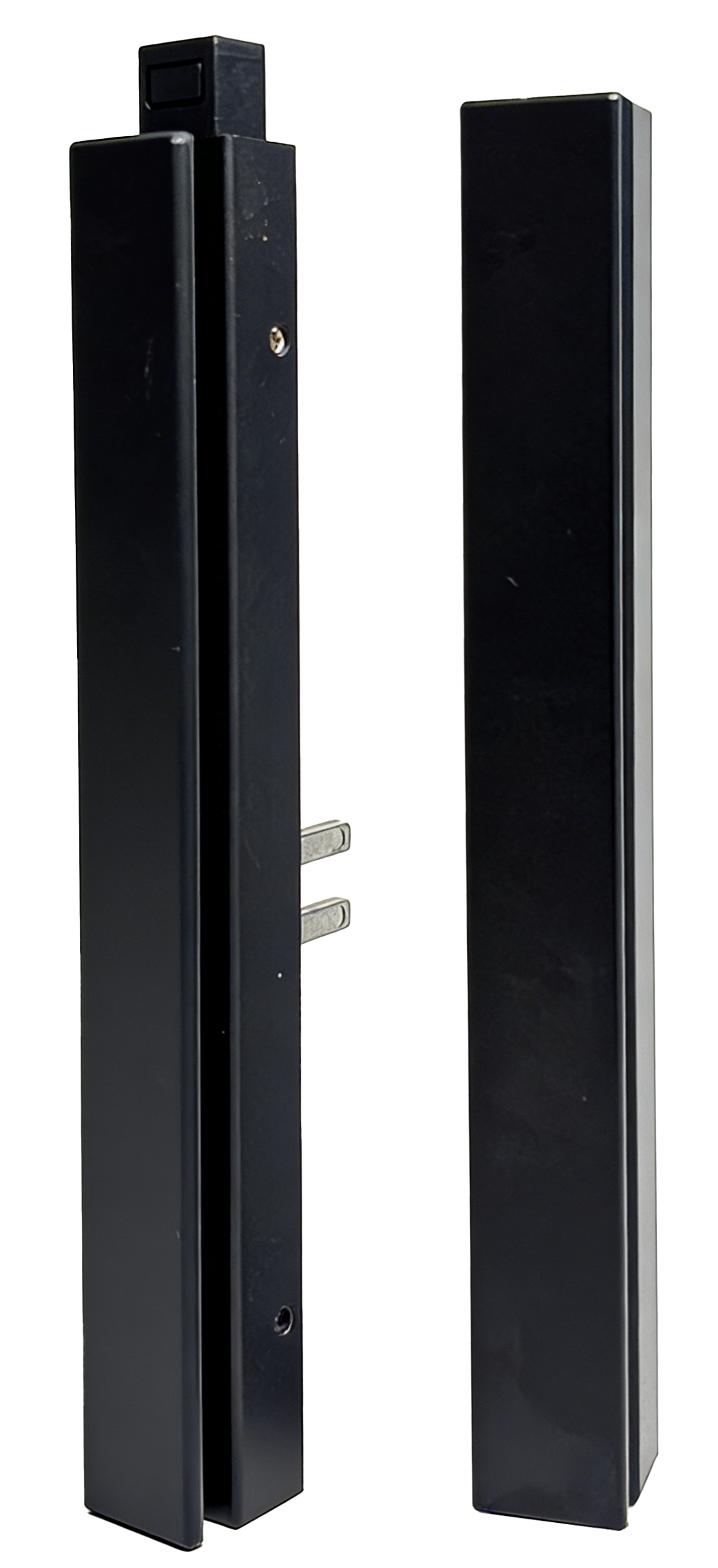
Fork‑Transmission Handle: Core Operating Hardware for Aluminium Sliding Door Systems
2026-09-26 15:38:34
Click:
“
Many buyers overlook fork‑transmission handle when sourcing sliding door hardware. Based on factory practical experience, this article talks about its structure, common fitting mistakes and real‑project application.
”
> Quite a few importers run‑into installation headaches: handles look fine in photos yet jam on‑site. Very often the problem lies with poorly built fork‑transmission handles for narrow aluminium sliding profiles.

If you source aluminium sliding door hardware, you have most likely come across fork‑transmission handles. Many buyers only check surface finish and price, ignoring how the fork piece actually fits inside the sash. Once installed on‑site, jamming, incomplete locking or quick wear‑out frequently show up, bringing plenty of after‑sales trouble for door factories. Drawing from our years of manufacturing experience, we break down its structure, common fitting errors and practical project use cases.

## Practical Structural Notes
The fork component is where most low‑cost copies cut corners. Reliable units use zinc‑alloy main body paired with stainless‑steel fork inserts. Some cheap alternatives fit plastic forks inside; these will deform after several thousand opening cycles. Under frequent daily use, plastic parts wear fast and cause locking failure. Surface options are mainly powder coating or anodizing, both aimed to resist rust under humid outdoor conditions.

## Compatibility & Real‑World Sourcing Pitfalls
Profile groove size cannot be ignored. The widely adopted specification for Asian aluminium sliding doors falls between 16 mm‑22 mm. Spindle lengths include 25 mm, 30 mm and 35 mm to suit different door thickness.

We have met many customers who ordered samples that worked well in‑house, but failed for mass shipments. They skipped measuring actual profile groove before ordering. Even minor dimension deviation will make the handle stiff to turn or stop latching fully. Always confirm profile data before placing bulk orders.

## Application For Bulk Orders
This handle type is widely used on apartment, villa and office‑building sliding doors. For project orders and private‑label importers, we offer custom fork sizes, spindle lengths, surface treatment and logo engraving. Custom work requires clear profile drawings to avoid fitting mistakes later.

## Conclusion
The fork‑transmission handle is not a simple cosmetic part. Its internal fork structure directly decides long‑term on‑site performance. Do not judge quality merely by appearance. Double‑check material and profile compatibility at the sample stage to reduce project after‑sales risk.

Author: KOLLY Door and Window Hardware Factory
Author:
KOLLY Door and Window Hardware Factory
0
Related news
-

top How to Choose the Right Sliding Window Lock for Energy Efficiency and Security
ntroduction: Discuss the common issues of drafty rooms and security concerns with older sliding windows. The Problem: Explain how worn-out or poorly fitted locks compromise both insulation and safety. The Solution: Introduce the importance of high-quality, precision-engineered sliding window locks.
-
Fork‑Transmission Handle: Core Operating Hardware for Aluminium Sliding Door Systems
Many buyers overlook fork‑transmission handle when sourcing sliding door hardware. Based on factory practical experience, this article talks about its structure, common fitting mistakes and real‑project application.
Kolly Hardware Factory -
How to Choose Reliable Sliding Door Lock for Aluminum Sliding Doors
Meta‑Description:Looking for durable sliding door lock? KOLLY introduces key selection points for aluminum sliding door locks for building project and wholesale buyers.
Kolly Hardware Factory -
Aluminum Sliding System Hardware Explained: From Fork Transmission Handles to Integrated Locking Systems
Technical deep-dive into component-level functionality: how fork transmission handles synchronize multi-point locking, compatibility with thermal-break aluminum profiles, load-bearing standards, and precision alignment requirements for smooth 100,000+ cycle operation.
-
Sliding Door & Window Fittings Performance Benchmark Report: Durability, Corrosion Resistance & Thermal Efficiency
Data-driven comparison of leading hardware solutions tested under ASTM B117 salt-spray (≥1000 hrs), EN 1527 cycle testing (100,000+ operations), and thermal break compatibility assessments — with application guidance for coastal, high-humidity, and extreme-temperature environments.
-
Custom & ODM Aluminum Window & Door Hardware: From Prototype to Mass Production
End-to-end workflow for bespoke hardware development — including CAD-supported design iteration, surface treatment (powder coat, electroplating, wood grain transfer), IP protection, MOQ flexibility, and rapid prototyping timelines — tailored for premium façade systems and branded product lines.



Work Time:AM9:00-PM18:00
contact:400-000-0000
Address: Room 1801, xxxBuilding, Guangzhou, Guangdong

Public Account
Home | Product Center | Contact | About Us
 Tel: +86 15015722806
 Email: Jason@zeniktech.com
 Address: Sanjia Development Zone, Jinshaxilian, Danzao Town, Nanhai District,
Foshan, Guangdong, China

Copyright @ VillaGrandis All Rights Reserved ICP Registration No. 180006020-3
